
Hampton Bays Bathroom Remodel
Process:
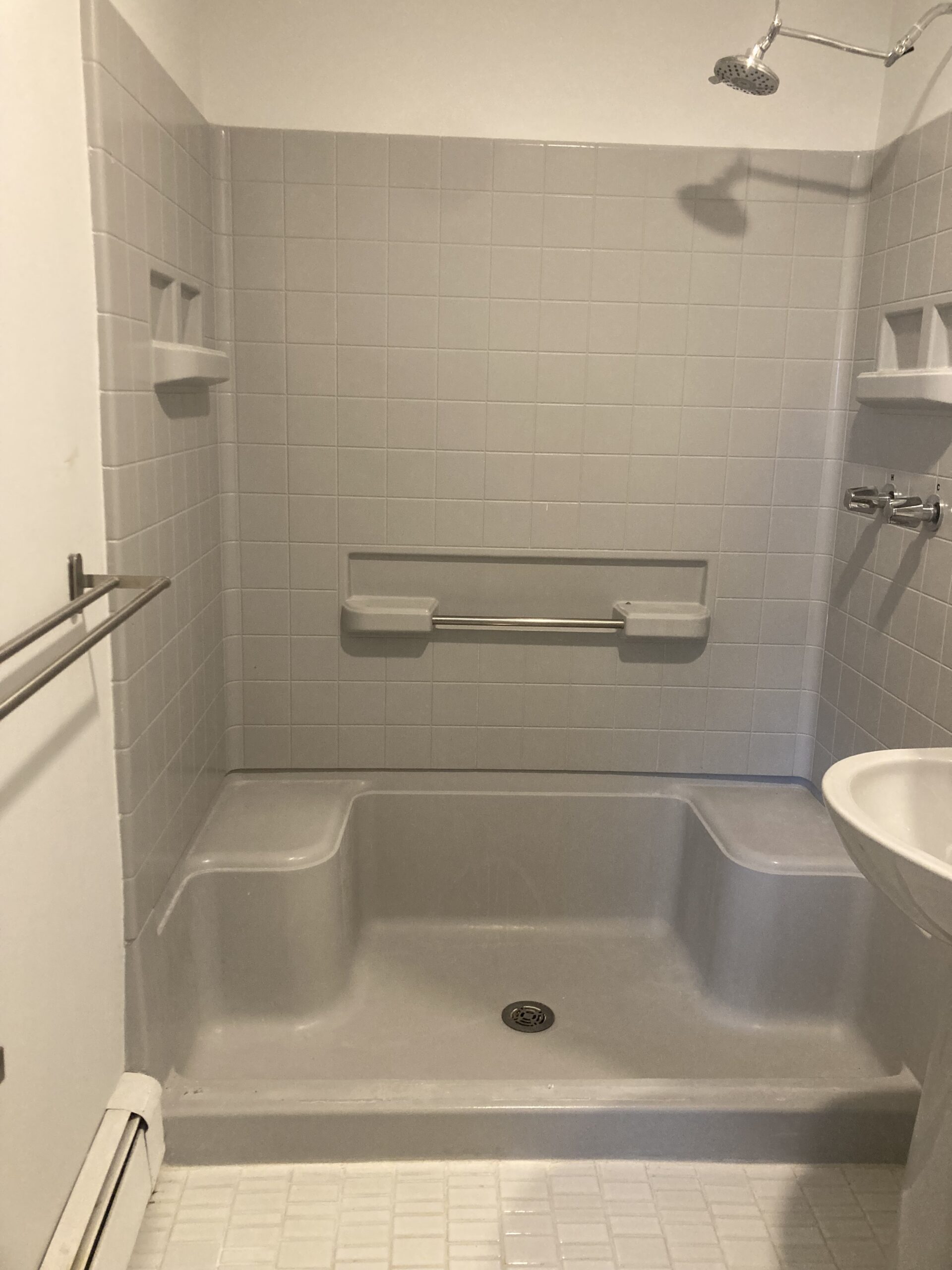
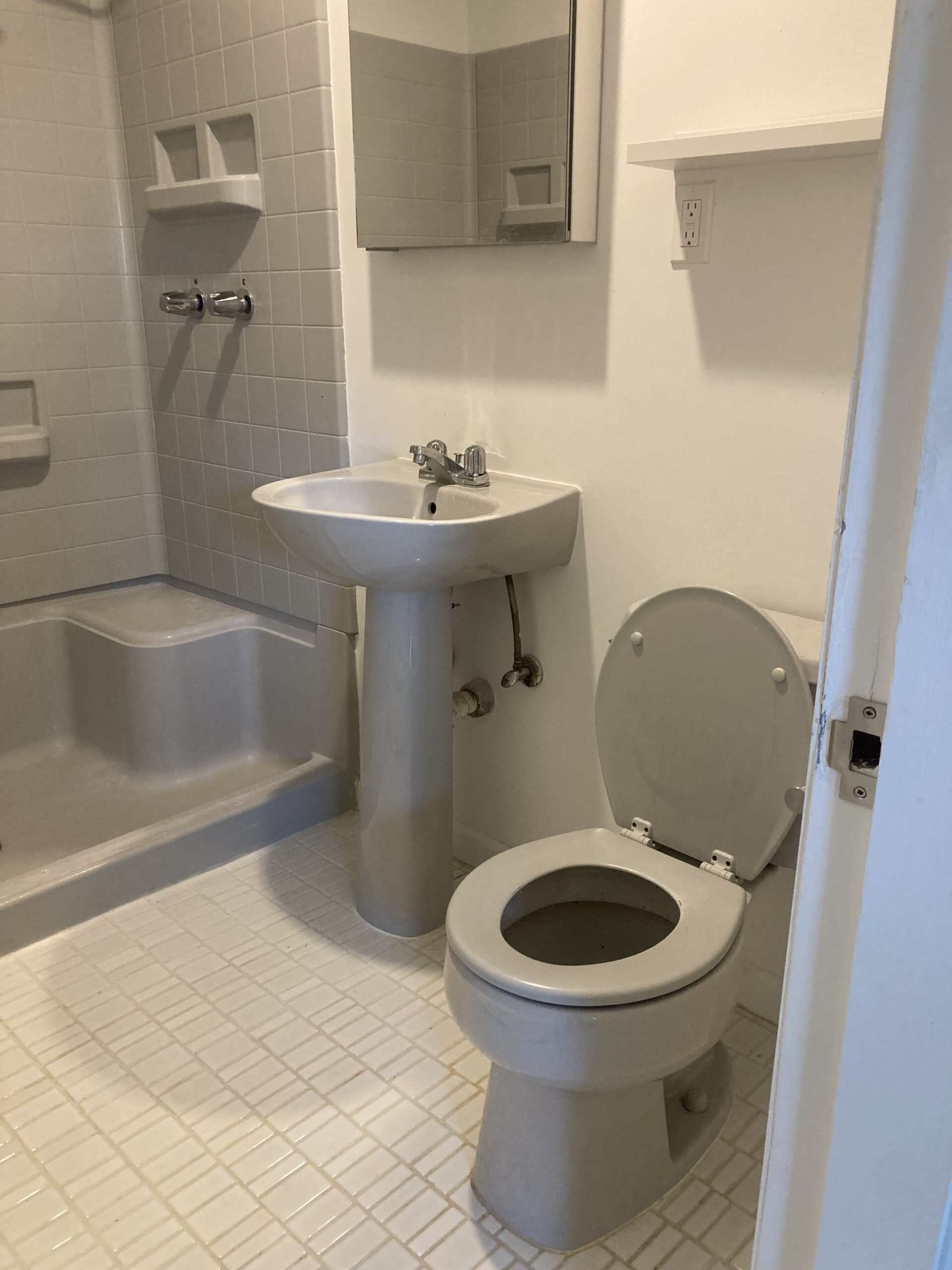
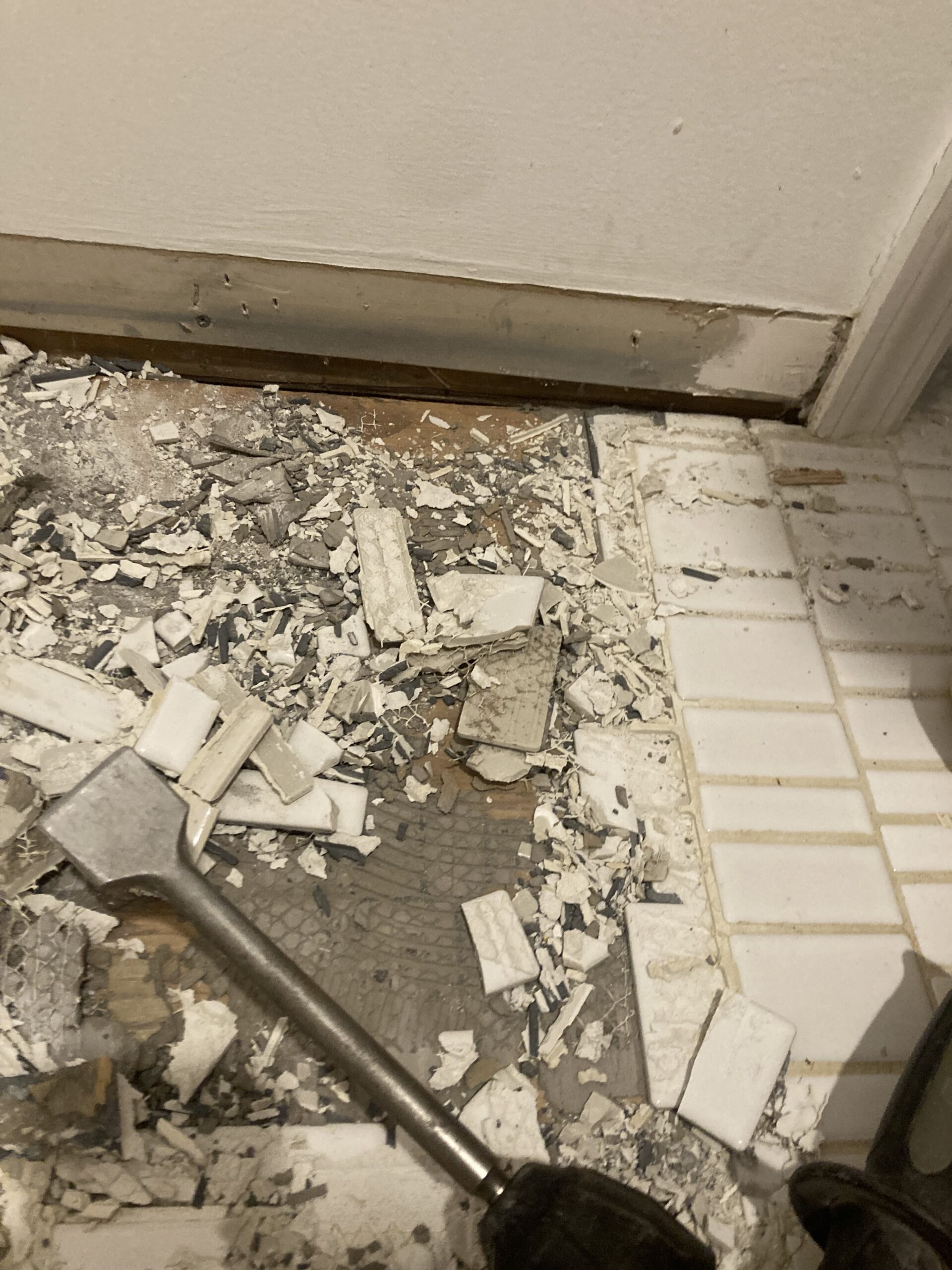
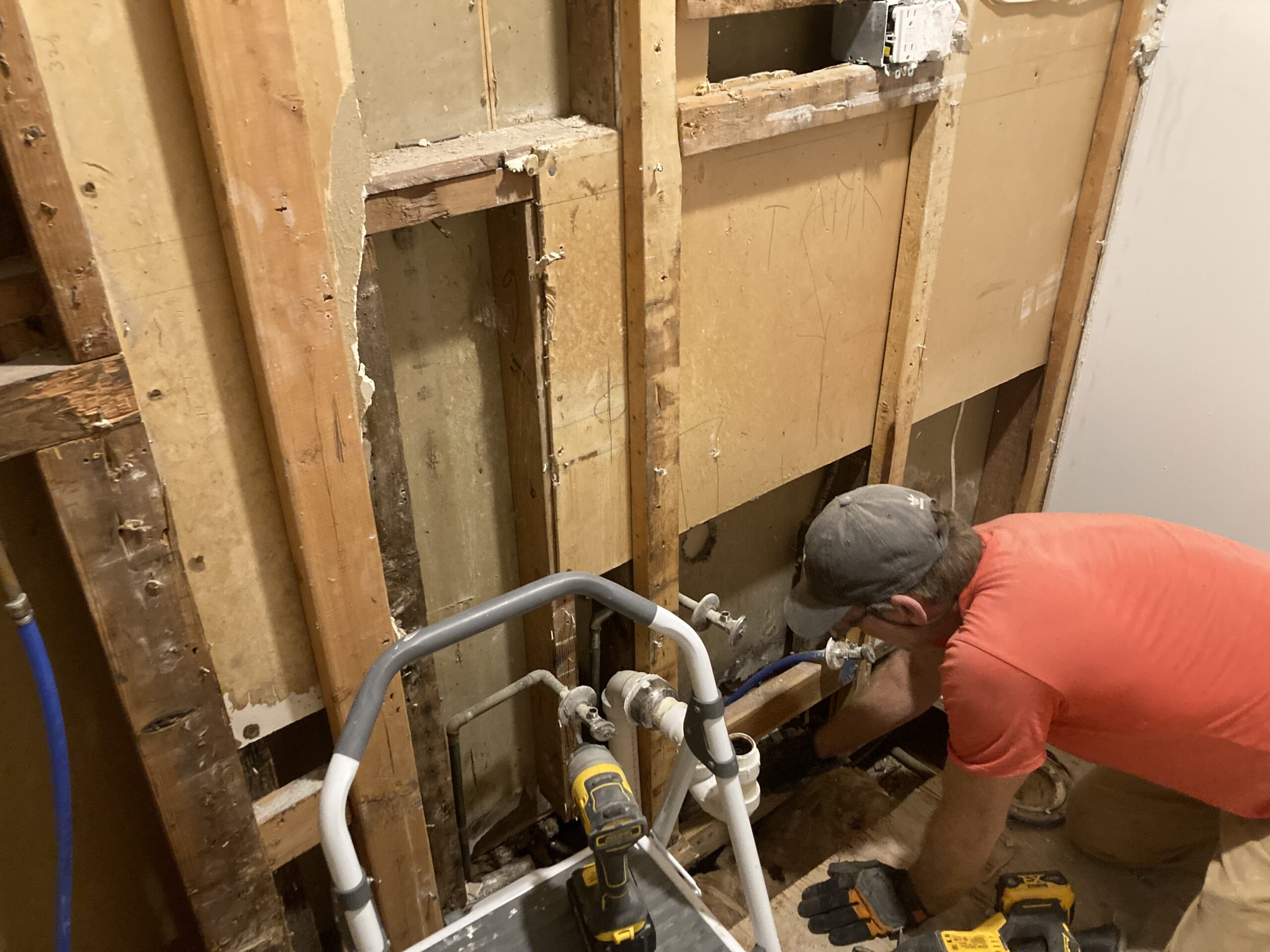
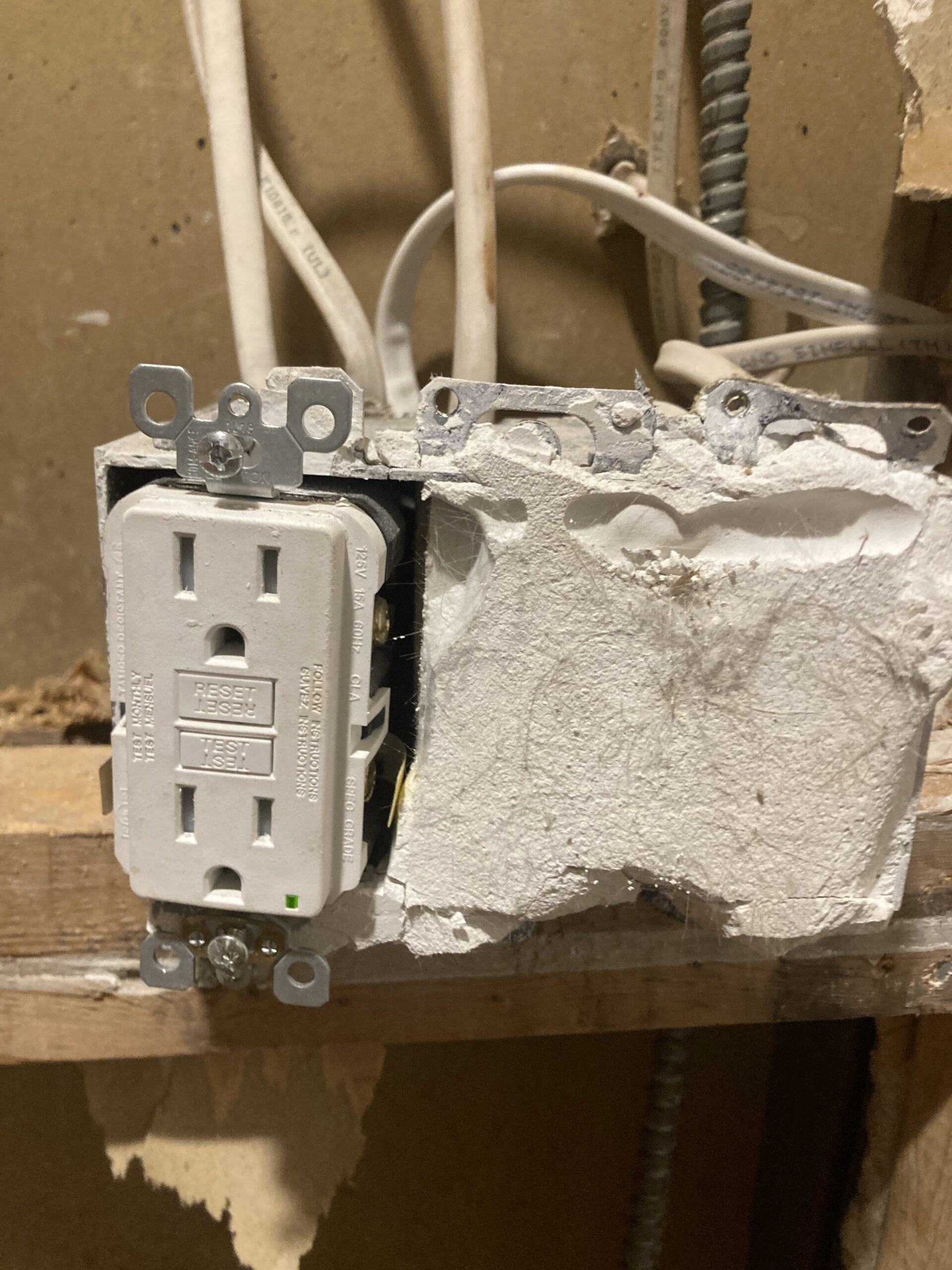
Our first bathroom project of the year was expected to be a fairly straightforward remodel—aside from a toilet with the tank built into the wall. But once we opened things up, we quickly discovered a very different story.
During demolition, we uncovered significant rot hidden inside one of the main walls. This wall, sandwiched between the kitchen sink on one side and the bathroom sink on the other, had clearly endured a long-term leak. By the time we found it, the studs were so compromised that the wall was essentially “floating”—none of the 2x4s reached the floor anymore.
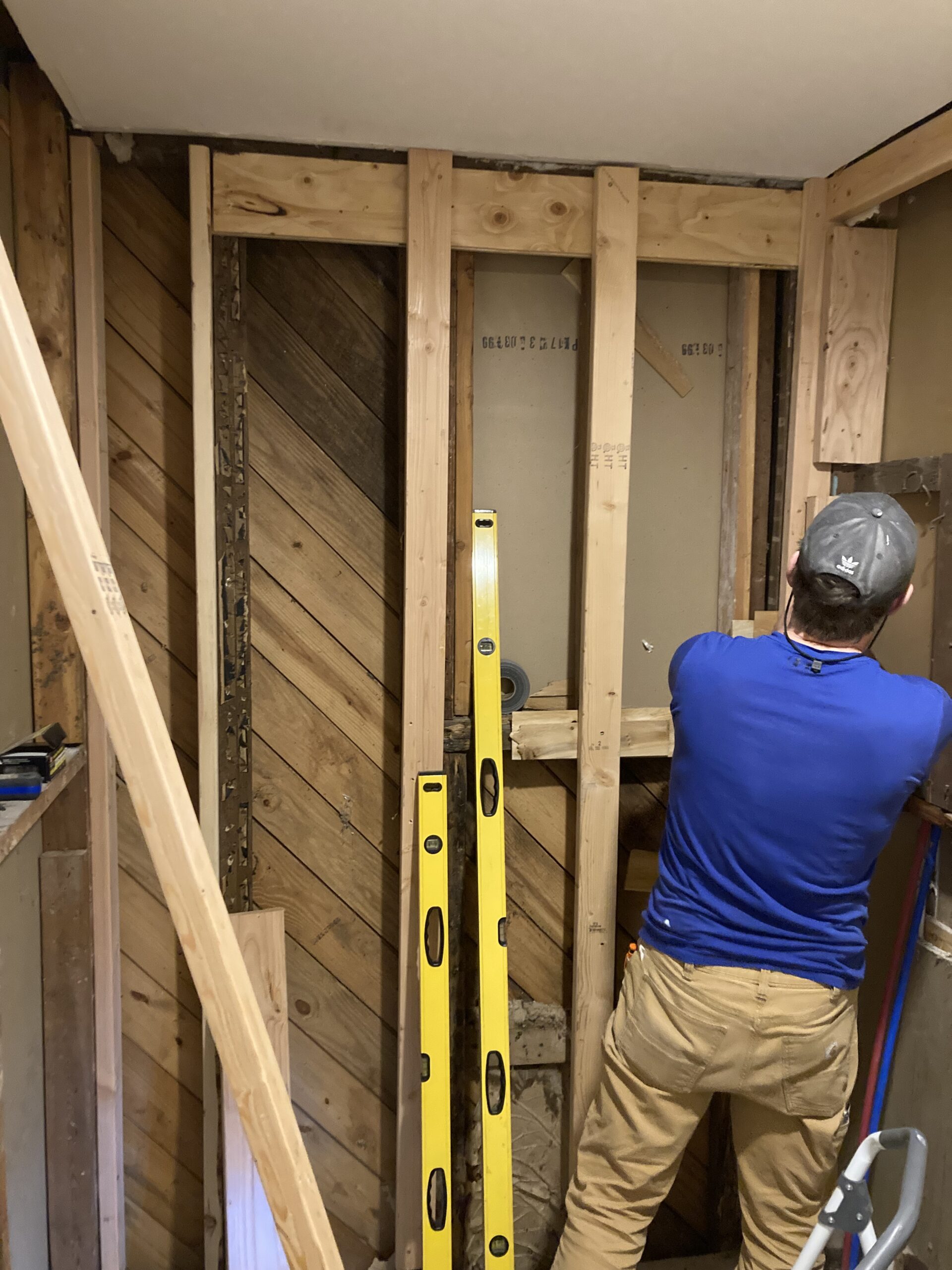
What began as a simple bathroom refresh quickly evolved into a structural repair and reframing job. We rebuilt the damaged wall from the ground up and corrected the back wall of the shower, which had to be furred out because it was so far out of plumb.
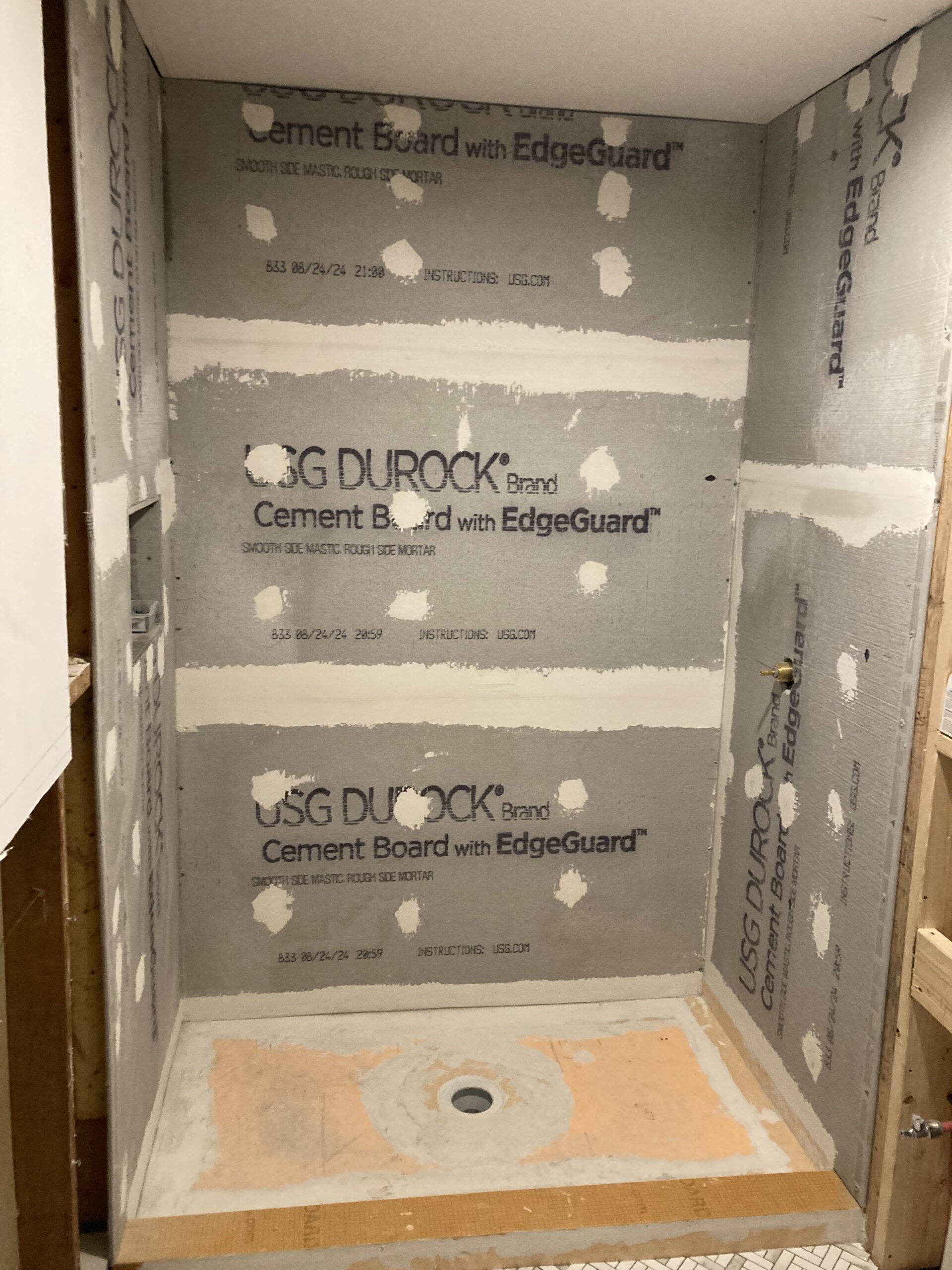
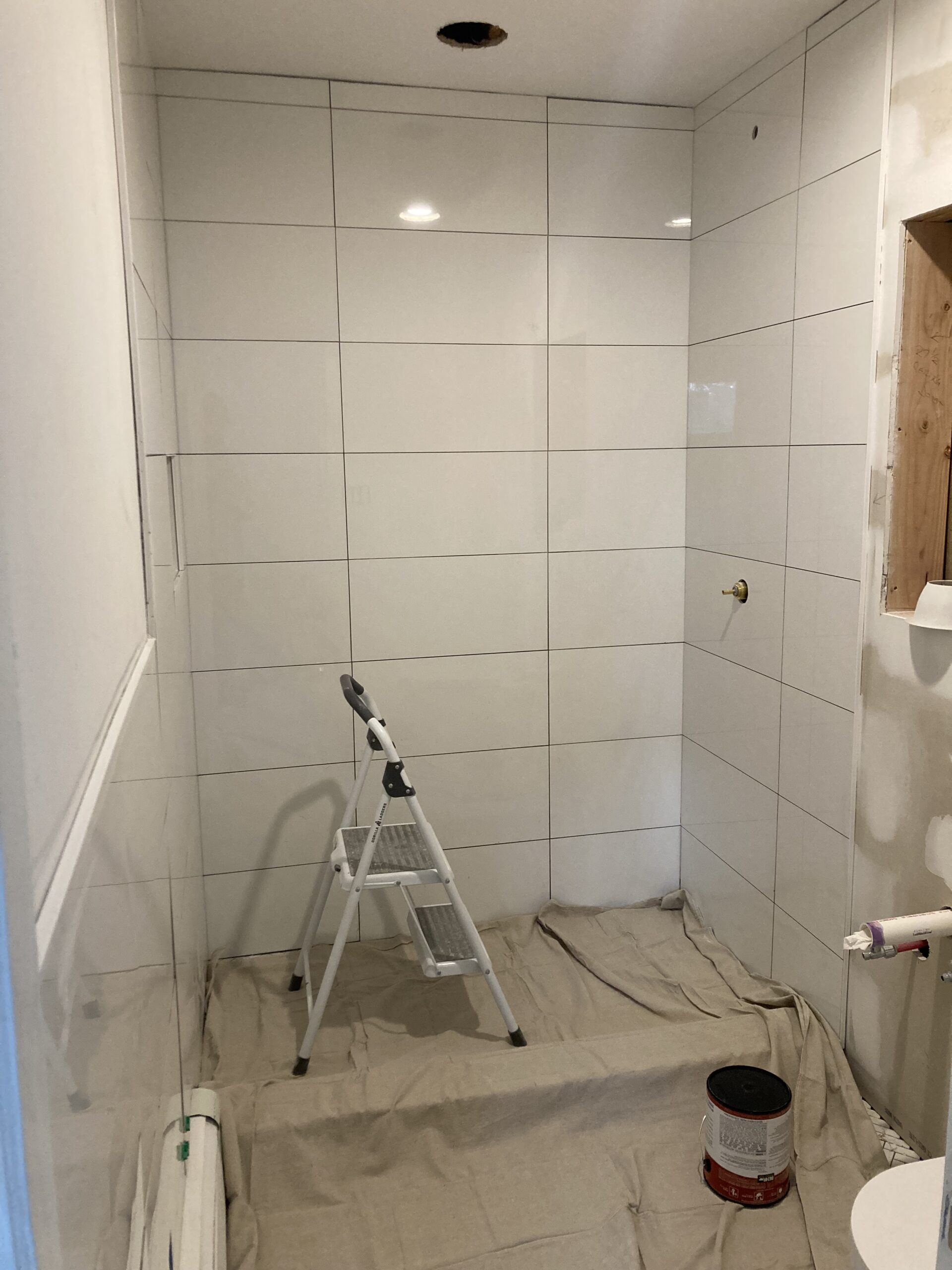
Fortunately, the toughest part of the job was already behind us, since much of that wall had to be reframed anyway. The in-wall toilet required a wider bay than the standard 16″, the recessed mirror needed additional space, and we added extra support behind the floating vanity to ensure strength and stability.
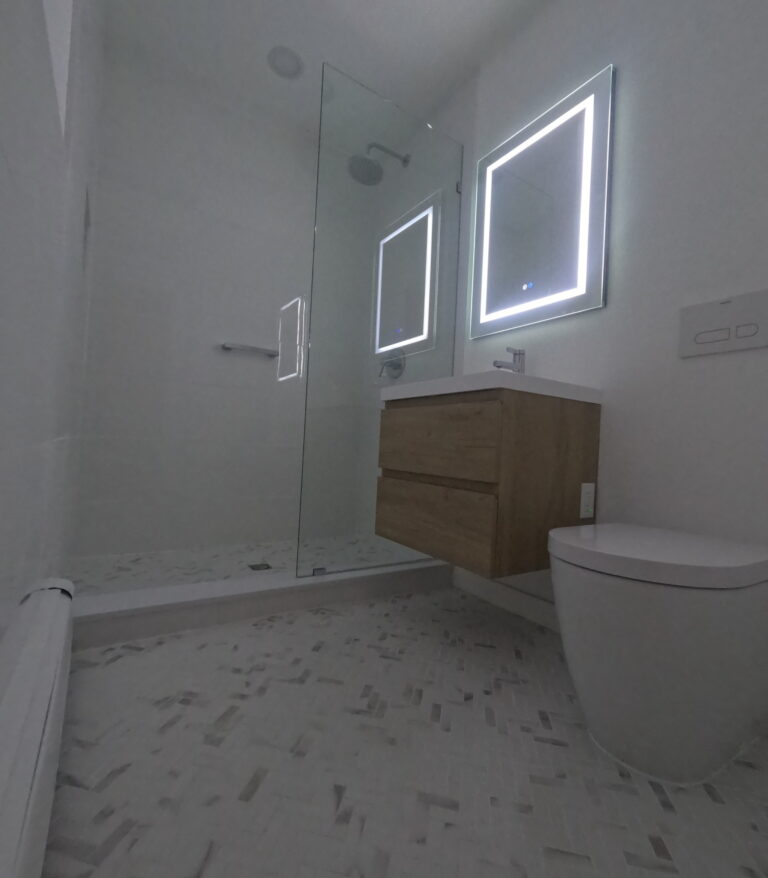
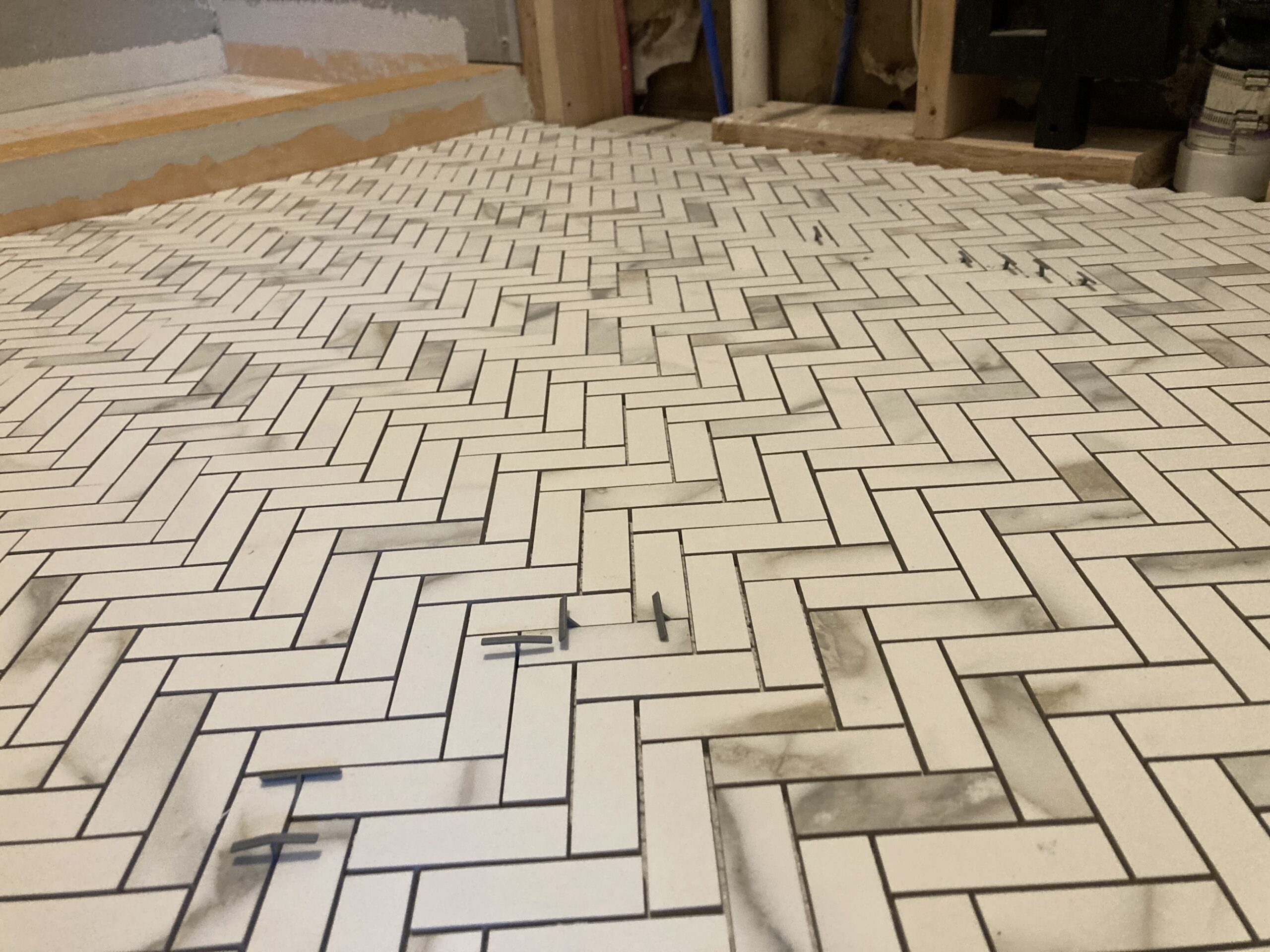
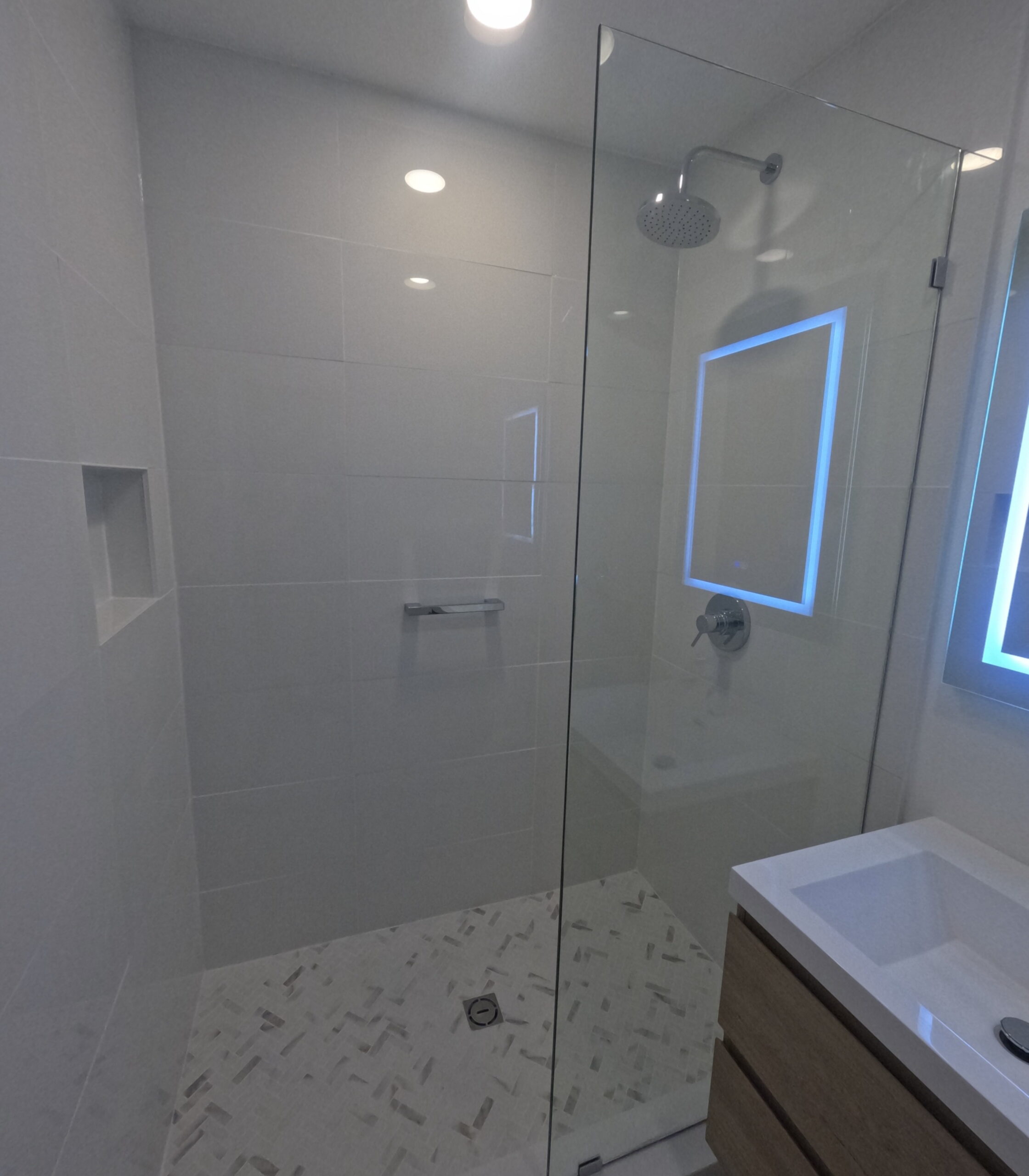
With the framing complete, we turned our focus to prepping the floors, walls, and shower stall for tile. Our client chose a striking herringbone pattern for the floor and a crisp flat white tile for the shower walls. The tiled wall continued seamlessly behind the door and featured a built-in niche opposite the shower head—both stylish and practical.
By this point, the vision was taking shape, and the space was nearly unrecognizable. The final details would bring it all together—and the reveal made every challenge along the way worth it.
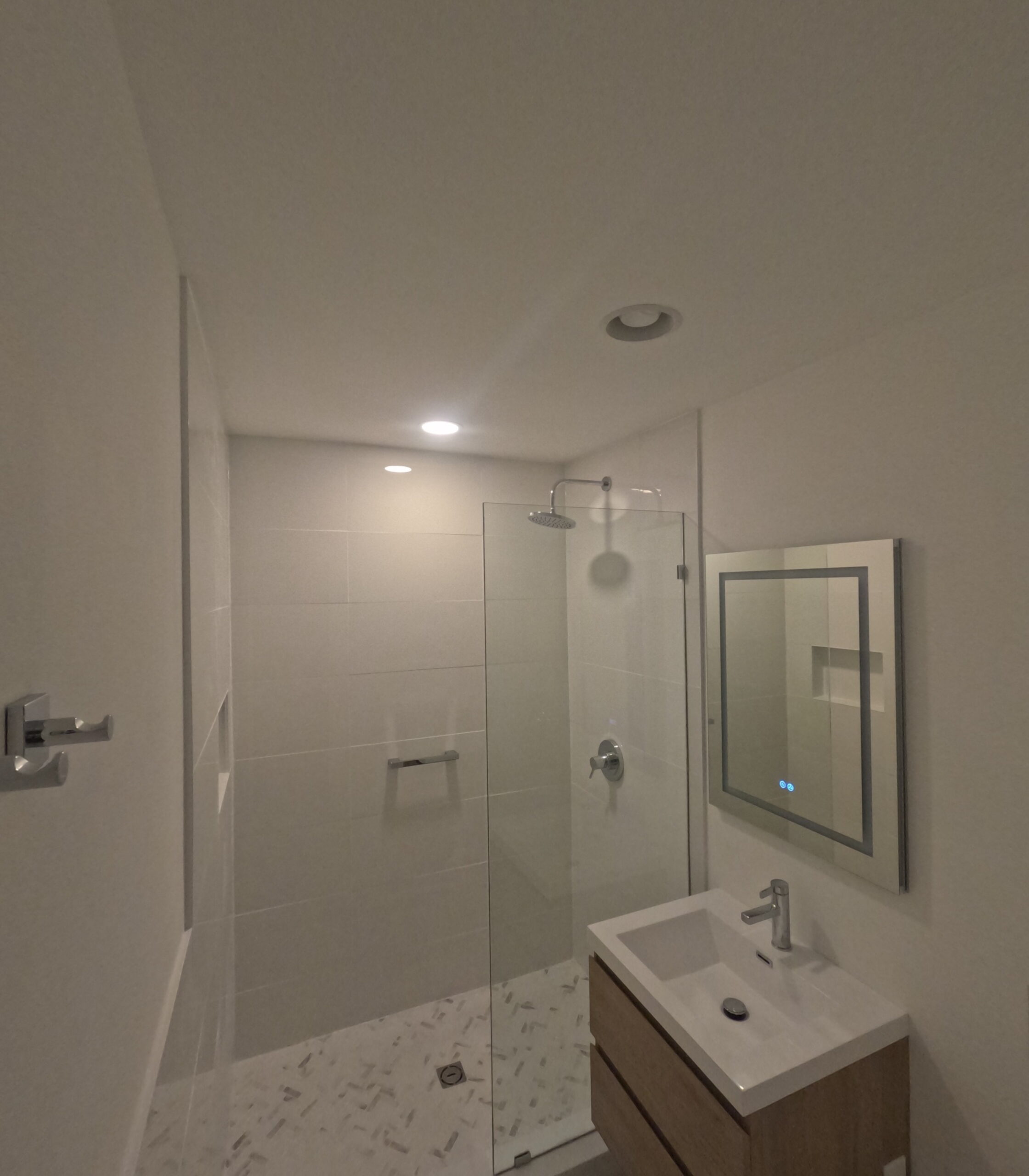
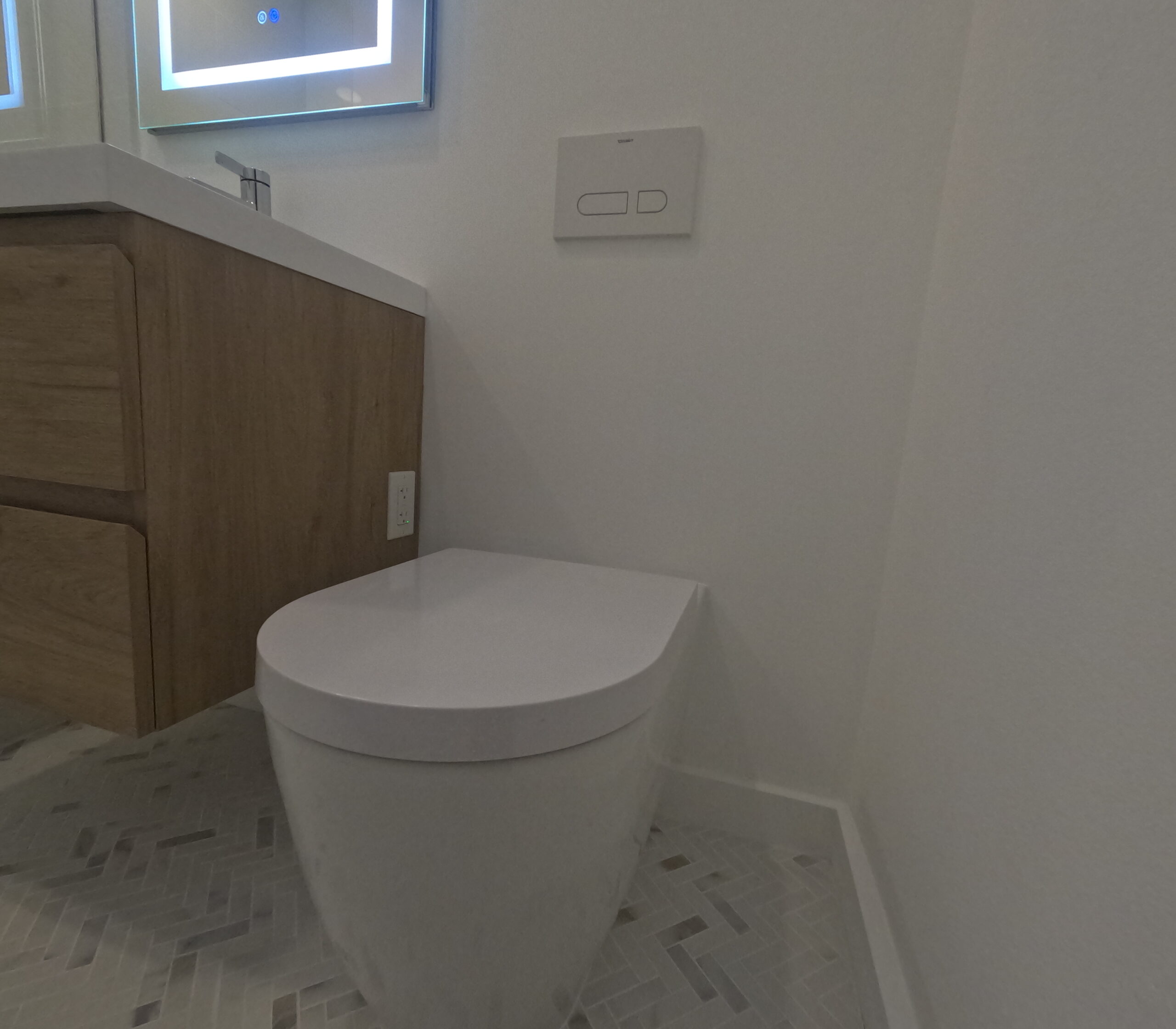
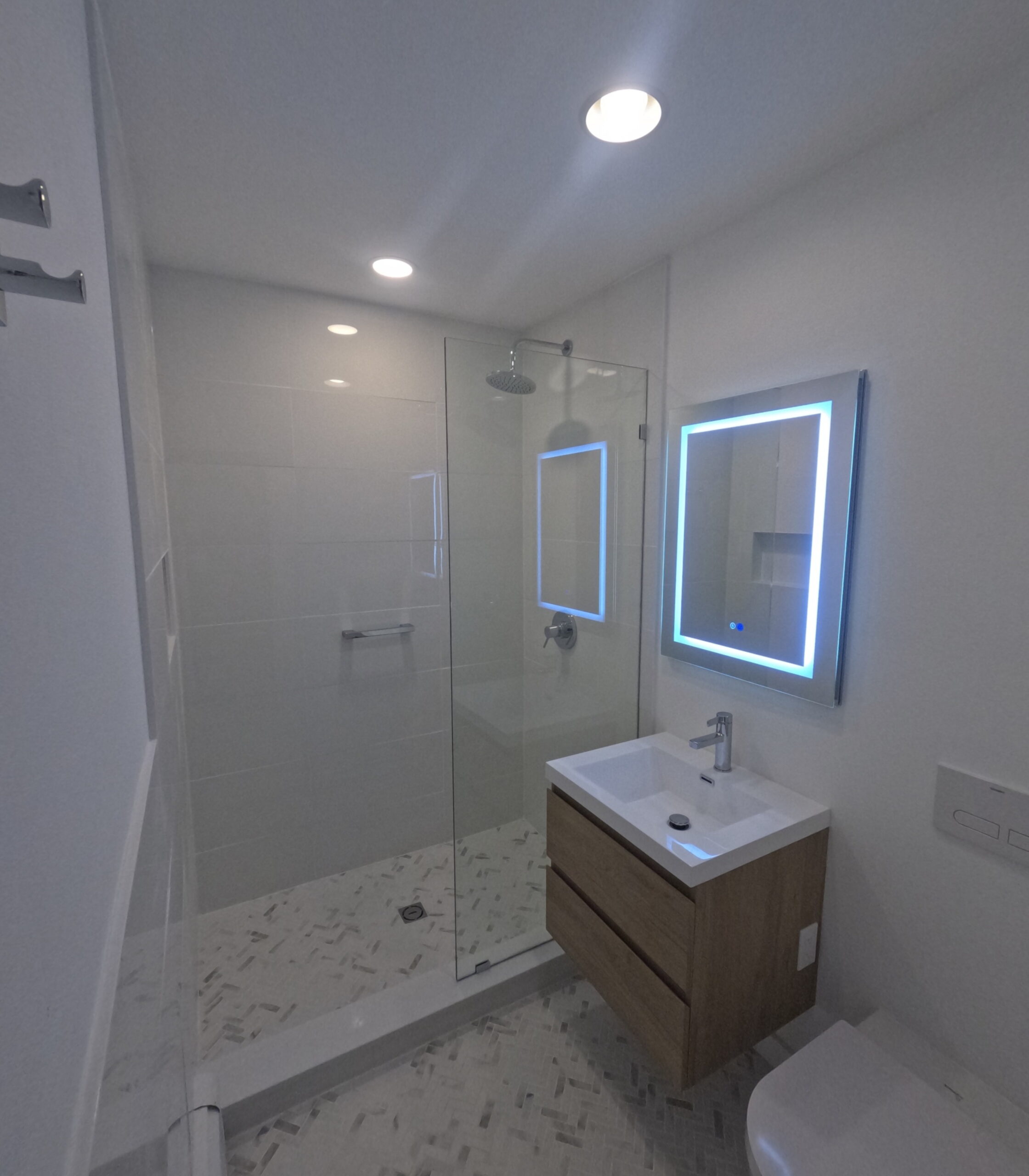
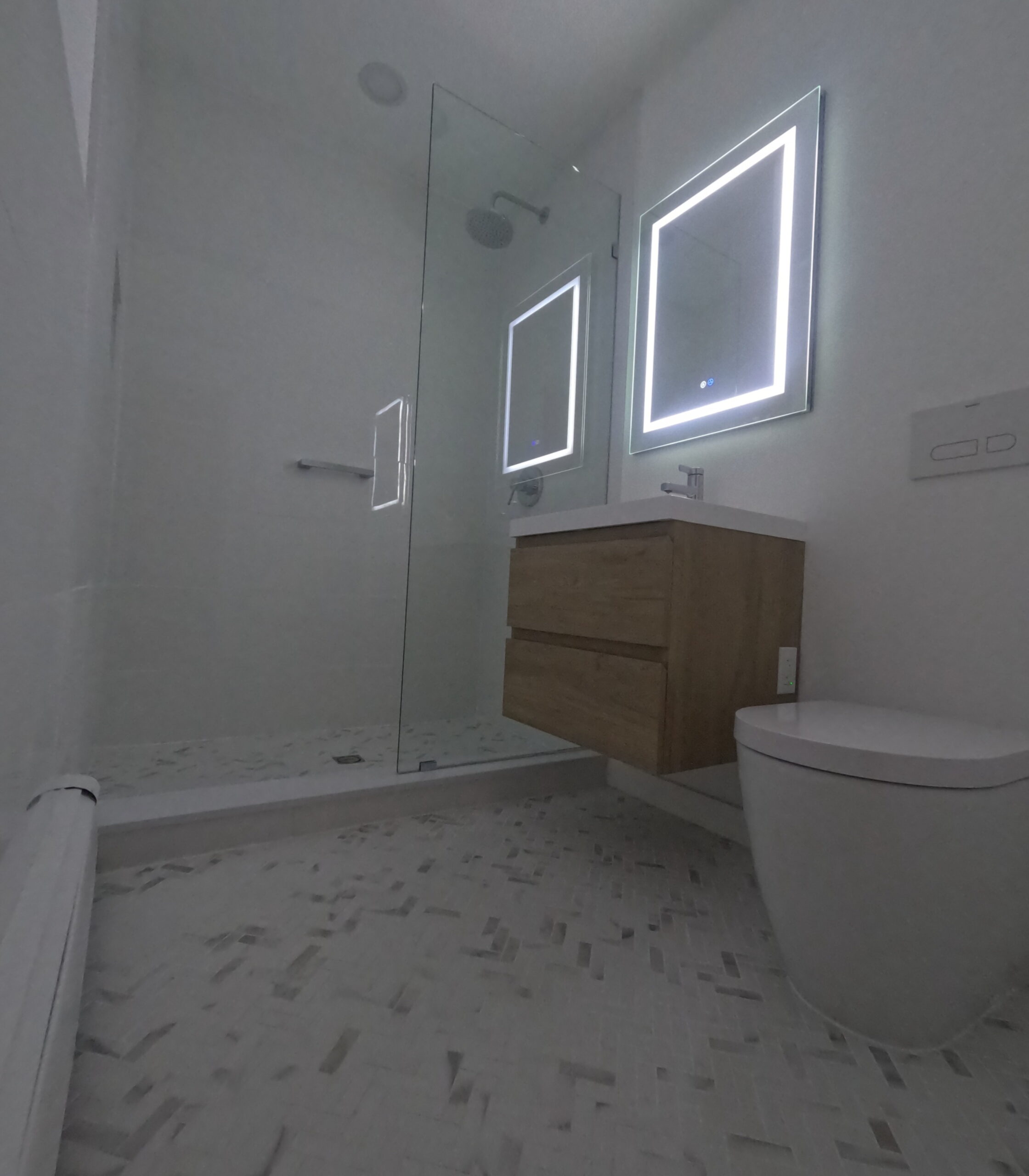
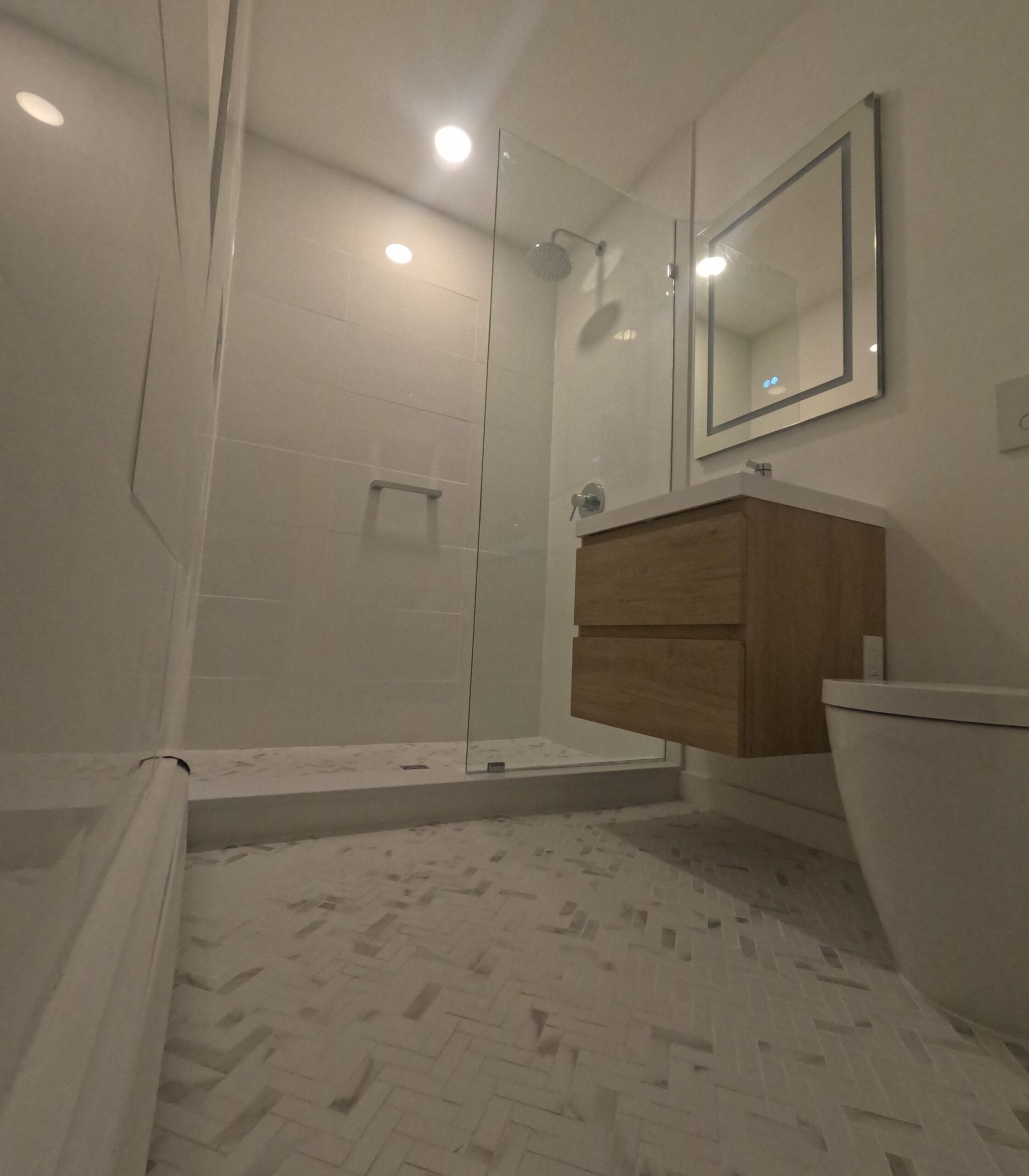
The finished bathroom came together with several thoughtful details that we’ll be recommending to future clients. The recessed mirror with built-in lighting is a standout feature—it maximizes space while adding both function and style. In such a compact bathroom, smart storage was essential, and pairing it with a sleek in-wall toilet made the room feel more open and uncluttered.
We also added a discreet outlet inside the vanity. With the new framing for the toilet, a traditional wall outlet would have been awkwardly placed between the faucet and mirror, and tucking it under the vanity wasn’t practical. This solution kept everything functional without sacrificing the clean design.
Another highlight is the fixed glass panel for the shower. It’s a modern, cost-effective alternative to bulky sliding doors or a shower curtain, keeping the space airy while still containing water.
In the end, what was once a cramped, outdated bathroom is now bright, fresh, and surprisingly spacious. With the right design choices, even the smallest bathrooms can feel larger, more functional, and effortlessly stylish
TLDR:
Before & After Summary
Before:
Small, outdated bathroom with hidden rot in the framing
No storage and poor space planning
Sloped, uneven shower wall and awkward layout
Our Fix:
Reframed damaged walls and corrected structural issues
Installed recessed mirror with built-in lighting
Added floating vanity with built-in outlet and hidden storage
Upgraded to in-wall toilet to maximize floor space
Laid herringbone floor tile and crisp white shower tile with niche
Installed modern fixed glass panel for a clean, open look
After:
A bright, fresh bathroom that feels larger than it is
Smart storage and thoughtful details for everyday convenience
Durable finishes designed to last
A modern, inviting space the homeowner actually enjoys using
Cost:
FAQ's
1. How long does a bathroom remodel usually take?
Most bathroom remodels take 2-4 weeks, depending on the size of the bathroom and the complexity of the design. Structural repairs, custom tile work, or plumbing relocations can add time.
2. Do I need a permit for a bathroom remodel?
In most cases, no. Any work involving plumbing, electrical, or structural changes requires permits to ensure everything meets local building codes. We handle this process for our clients, but if everything is staying where it is, you won’t need one.
3. How much does a bathroom remodel cost?
Costs vary based on size, finishes, and scope of work. A modest remodel may start around $15,000–$25,000, while a full custom bathroom with high-end finishes can go well above that. We provide detailed estimates up front.
4. What upgrades add the most value to a bathroom?
Upgrades like custom tile showers, floating vanities with storage, recessed lighting, and high-efficiency fixtures not only improve everyday comfort but also add resale value to your home.
5. How can I make a small bathroom feel larger?
Smart design choices—like floating vanities, recessed mirrors, glass shower panels instead of curtains, and light color palettes—can make a compact bathroom feel more spacious without sacrificing function.